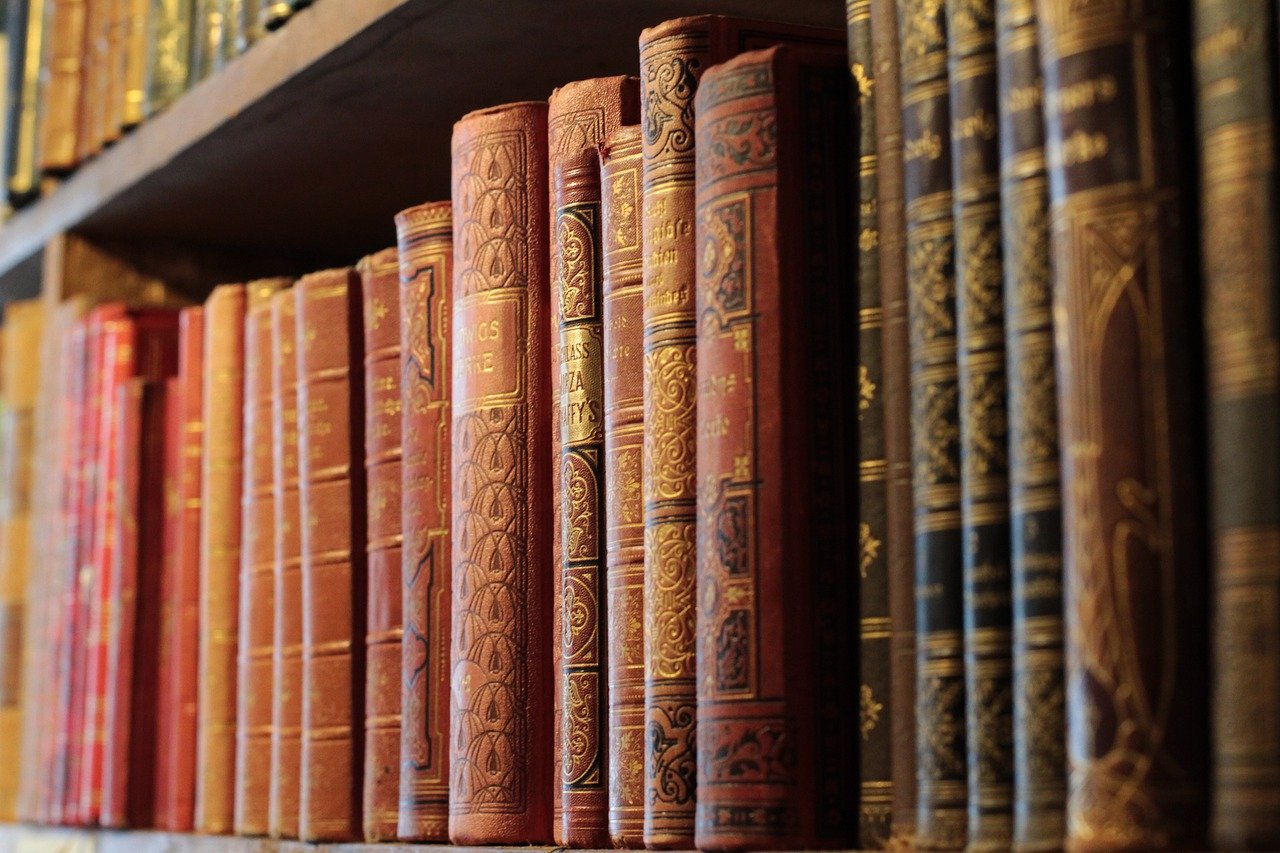

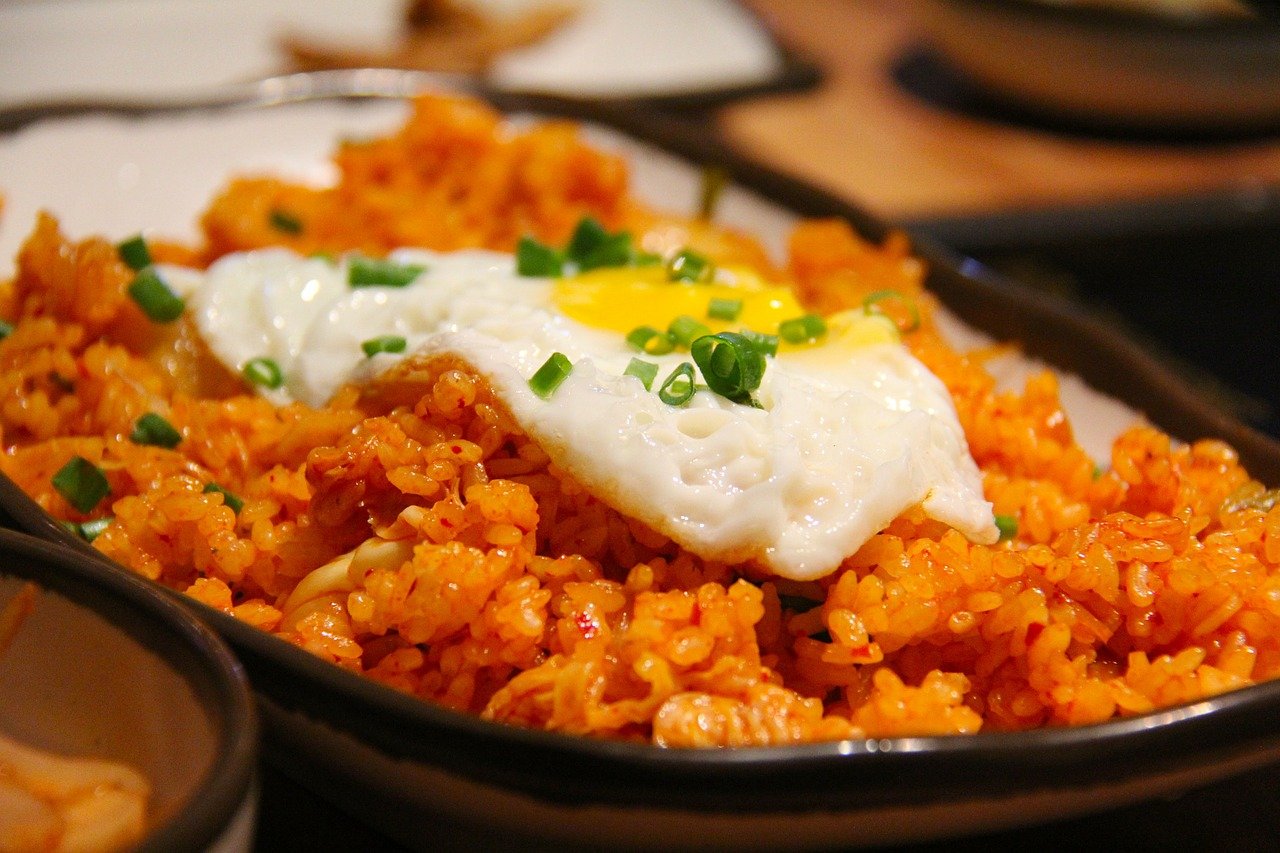
(clockwise from left) Image: Antique books on a bookshelf. Source: bboellinger from Pixabay. Used with a Pixabay License | Image: Sphinx and pyramids of Egypt on a sunny, but partially cloudy day. Source: Roderick Eime from Flickr. Used with a CC BY-ND 2.0 licence | Image: A bowl of freshly made kimchi fried rice – a Korean comfort food. Source: sharonang from Pixabay. Used with a Pixabay License.
Content creators and influencers have taken over the internet. As a mere observer, you may have even been inspired to follow in their tracks. Sharing your passion with the world through social media and blogging – be it in books, ancient Egypt, Korean food, the list is endless – can be very exciting. We are all aware of the mega success stories, and the fame, fortune and career pathways that can accompany such success.
But what about the aspects that are not so ideal, which you may not have anticipated? Let’s take a closer look at some of these.
If there is one word that is used across almost all of social media, it would be the word ‘like’. If you are putting out content, it’s only natural to want to get likes. It is one way, some may even argue that it is the best way, to gauge whether your material is resonating with your audience.
The subject of social media likes can be polarising and has even been linked to adverse mental health outcomes. In what could be interpreted as a nod to the negative impact of likes, social media giants Facebook and Instagram have introduced a feature enabling “users to hide like counts on posts” writes Allyson Chiu. It’s early days, but experts are cautious over whether such a feature will lead to improved mental health of users.
Having mulled this one over, I think the ability to hide likes may help some users. Imagine for a moment that you are scrolling through a social media feed without any like counts. With the benefit of time, you become accustomed to not seeing any likes and will start to interact with the platform in a different way. Now if this feature was offered on more social media platforms, the impact could be even greater due to the cumulative effect on a user’s social media use.
If all this talk about social media likes has made you a little preoccupied about likes, consider the following argument. A ‘like’ is just a like. It’s not a deep assessment of the quality of your work, so it shouldn’t define you.

Burnout is becoming very common in our modern, fast-paced world. It has even spread to the content creation industry, especially among the younger demographic. A recent article noted a rise in burnout amongst some big names on YouTube, Instagram and now, TikTok. It was also suggested that a high workload and fierce competition were the root causes. For the younger content creators dealing with burnout, another factor could be that they are maturing and developing different interests.
You probably already know that the online domain can be a breeding ground for negative and hurtful comments. Sadly, many members of the Black, Indigenous and person of colour (BIPOC) community have been subjected to racist attacks on social media.
“Consumers vulnerable to the harassment, violence, and inequities of the analog world encounter much of the same in the digital space” writes Ashlee Marie Preston. Moreover, systemic disadvantage and systemic underrepresentation permeate all corners of life and can even be seen within the world of literary prizes.

Every social media platform has created its own set of algorithms. One way in which algorithms are used is to curate personalised feeds for each user based on the type of content the user consumes. As a result, algorithms can serve an important function. However, there is another side to these algorithms, one that is biased.
Examples of algorithmic bias against the BIPOC community and BIPOC subject matter have been detailed in Forbes and The Conversation.
The consequences of algorithmic bias are serious. Marginalised voices aren’t being heard when their content is erroneously suppressed by a social media platform’s algorithm. It has been suggested that greater diversity among those developing algorithms could be a starting point to reducing the bias. With the spotlight on algorithms, it does make you wonder what other biases may be present that we may not yet know about.
We’ve covered some pretty deep topics throughout this article – mental health, burnout and algorithms. The intention was not to discourage you from going public with your passion, but to raise greater awareness so that you have a better understanding of the online environment.
Creating content on social media (including blogging) is a form of self-publishing. There is no gatekeeper or authority to say who can participate, so it should be an opportunity that you embrace even with the obstacles that may come your way. There is also no need to be perfect. Put together a plan and once you feel that you know your way around a topic, go for it!

 Careers, Personal Development and More